
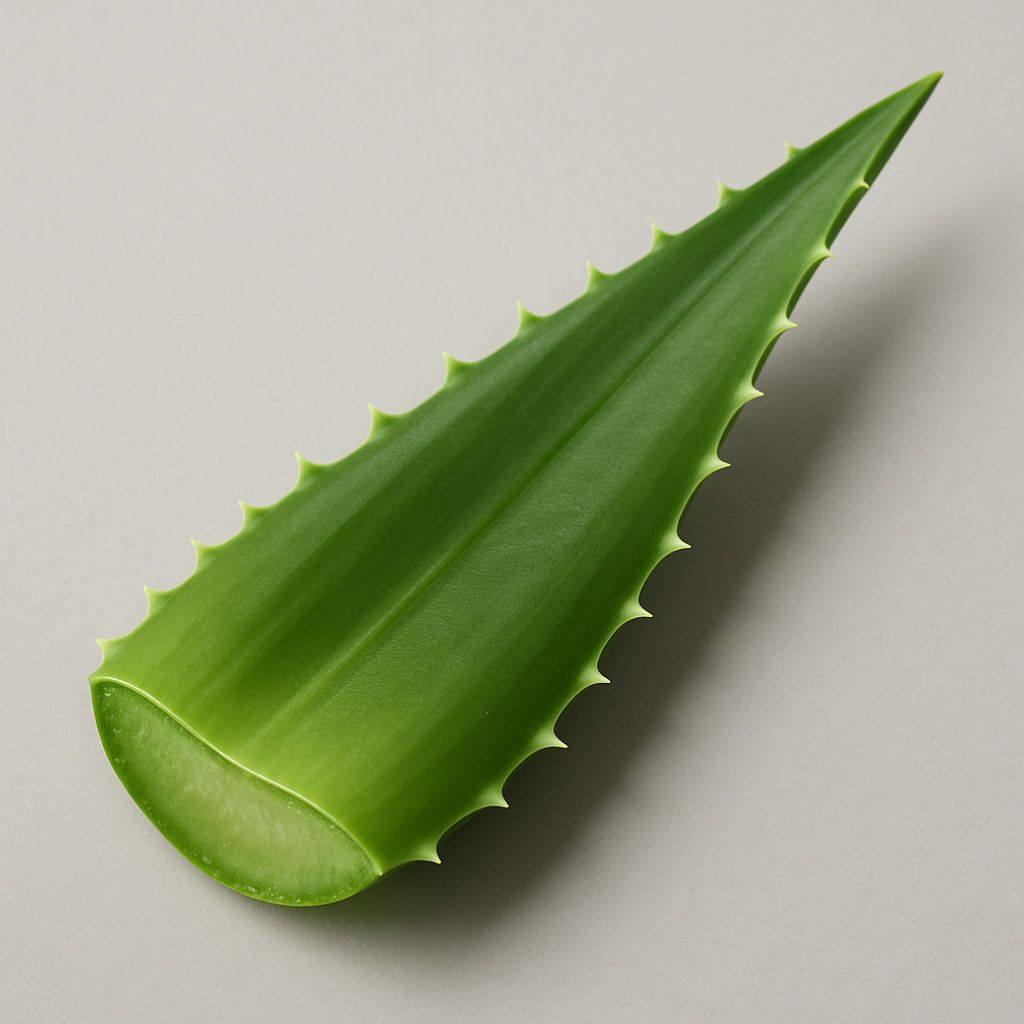

Aloe Vera, known scientifically as Aloe barbadensis miller, is far more than a common houseplant. For millennia, its thick, succulent leaves have served as a pan-global apothecary, a nutritional supplement, a spiritual symbol, and a culinary ingredient. This comprehensive guide moves beyond basic first-aid to explore the leaf’s profound role in human culture, offering a professional, holistic view of its preparation, application, and significance. Prepare for a deep, immersion into the world of this remarkable plant.
Aloe Vera Leaf: A Universal Overview
- Botanical Name: Aloe barbadensis miller
- Primary Forms: Fresh Gel, Latex (Yellow Sap), Juice, Powder, Extract
- Key Active Compounds: Acemannan (polysaccharide), Anthraquinones, Enzymes, Salicylic Acid, Vitamins (A, C, E, B12), Minerals (Calcium, Magnesium, Zinc)
- Cultural Reach: Ancient Egypt, India (Ayurveda), Traditional Chinese Medicine, Mesoamerican Cultures, Modern Western Herbalism
- Skill Level for Harvesting: Beginner-Friendly
The Leaf Deconstructed: Gel vs. Latex
Understanding the leaf’s anatomy is crucial for safe and effective use. The Aloe leaf has three distinct layers:
- 1. Outer Rind (Green Skin): Tough and protective. Contains aloin, a potent laxative compound. Typically discarded in home use.
- 2. Latex (Yellow Sap): A bitter, yellow fluid just beneath the rind. Rich in anthraquinones (like aloin), it is a powerful stimulant laxative. Use with extreme caution and professional guidance.
- 3. Inner Fillet (Clear Gel): The prized, mucilaginous parenchyma. Composed of 99% water and 1% active compounds, this is the soothing gel used for skin, digestion, and nutrition.
Medicinal Uses: A Tapestry of Traditional Wisdom
Ancient Egypt: “The Plant of Immortality”
Used in embalming rituals and for treating infections and dermatitis. Cleopatra famously used it as part of her daily beauty regimen.
Indian Ayurveda: “Kumari” (The Maiden)
Celebrated for its cooling, rejuvenating, and balancing (Pitta-pacifying) properties. Used internally for digestive health (especially for hyperacidity) and externally for hair and skin vitality.
Traditional Chinese Medicine (TCM): “Lu Hui”
Considered bitter and cold, it is used to “clear heat” and purge fire, particularly for conditions like constipation (using the latex) and skin inflammations.
Mesoamerican Cultures (Mayan, Aztec)
Applied topically for burns, wounds, and to soothe the skin after exposure to sun and wind. Internally used for digestive complaints.
Modern Western Applications
- Topical: First- and second-degree burns, sunburn, psoriasis, acne, minor cuts. FDA-approved for topical burn treatment.
- Oral (Gel): May help reduce gingivitis, plaque, and symptoms of GERD (acid reflux).
- Oral (Latex): A powerful stimulant laxative, but its safety is debated due to potential cramping and dependency. Not recommended for long-term use.
Nutritional & Culinary Applications
Beyond medicine, Aloe gel is a nutrient-rich food.
- Vitamins & Minerals: Contains vitamins A, C, E, B12, folic acid, choline, calcium, magnesium, and zinc.
- Drinks & Smoothies: The filtered gel adds a mild, refreshing texture and nutrient boost to beverages. Popular in health drinks across Asia and the Americas.
- Desserts: In some Asian cuisines, the gel is cubed and added to fruit salads, jellies, or yogurt for a unique texture.
- Important Note: Culinary use requires thorough washing and preparation to completely remove all traces of the bitter, laxative latex from the outer leaf.
Spiritual & Energetic Significance
- Protection & Luck: In many cultures, including parts of Africa and the Caribbean, an Aloe plant hung by the door is believed to ward off evil spirits and bring good fortune.
- Healing Energy: In New Age and holistic practices, the plant is associated with healing vibrations, purification, and resilience.
- Symbolism: Represents healing, protection, and enduring love due to its hardy nature and soothing properties.
Professional Harvesting & Processing Guide
Required Equipment
- Mature Aloe plant (3+ years old)
- Sharp, clean knife
- Cutting board
- Spoon or butter knife
- Glass bowl
- Fine mesh strainer or cheesecloth
Step-by-Step Method for Pure Gel
Step 1: Select & Cut
Choose a thick, outer leaf from the base of the plant. Using a clean knife, cut as close to the stem as possible at a slight angle.
Step 2: Drain the Latex
Stand the leaf upright in a glass or bowl for 10-15 minutes to allow the yellow latex (aloin) to drain out. This step is crucial for reducing bitterness and laxative effects.
Step 3: Fillet the Leaf
Lay the leaf flat. Carefully slice off the serrated edges and the top and bottom rind. Then, slide your knife just beneath the bottom green rind to separate and lift off the entire top layer, revealing the clear gel.
Step 4: Scoop & Rinse
Use a spoon to scoop the clear gel into a clean bowl. Rinse the gel gently under cold water to remove any remaining latex residue.
Step 5: Store
Use immediately, or store in an airtight glass container in the refrigerator for 5-7 days. For longer storage, freeze in ice cube trays.
Success Tips & Pro Cautions
- Patch Test: Always conduct a skin patch test before widespread topical use, as some individuals may be allergic.
- Oral Use Caution: Never consume Aloe Vera latex without supervision from a qualified healthcare professional. Long-term use of latex can lead to electrolyte imbalance, kidney issues, and dependency.
- Purity is Key: For internal use, ensure you have meticulously removed ALL yellow latex from the gel to avoid stomach cramps.
- Plant Maturity: Younger leaves contain fewer beneficial compounds. Always harvest from mature plants.
- Drug Interactions: Oral Aloe (especially latex) may interact with diabetes drugs, diuretics, heart medications, and steroids. Consult your doctor.
Clear Call-to-Action (CTA)
Ready to Integrate Aloe Vera Into Your Life?
- Start Simple: Harvest a small amount of gel following our guide and apply it to a minor sunburn or dry skin patch.
- Deepen Your Knowledge: Research one traditional use from a culture different than your own (e.g., Ayurvedic “Kumari” preparations).
- Share & Discuss: Talk to a herbalist, nutritionist, or elder in your community about their experiences with Aloe Vera. What wisdom can they share?
Always inform your primary healthcare provider about any significant new herbal supplements you are using.
Frequently Asked Questions (FAQs)
Can I apply fresh Aloe gel directly to an open wound?
For minor cuts and scrapes, yes, as it may promote healing. However, for deep or surgical wounds, consult a doctor first, as it could theoretically interfere with the outermost layer of healing in some cases.
Is drinking Aloe Vera juice safe daily?
Commercially prepared, decolorized (latex-free) whole leaf juice or gel juice is generally considered safe in moderation (e.g., 30-60 ml daily). However, daily consumption of homemade juice carries a risk of latex contamination. Moderation and professional guidance are key.
What’s the difference between Aloe Vera gel and juice?
Gel is the inner leaf fillet. Juice is typically a liquid made from the whole leaf (filtered to remove latex) or a dilution of the gel. Whole leaf juice contains different compound profiles than pure gel juice.
Can Aloe Vera help with hair growth?
While not a miracle cure for baldness, its enzymes can help cleanse the scalp, reduce dandruff, and condition hair, potentially creating a healthier environment for growth.
How do I know if my Aloe plant is medicinal grade?
Aloe barbadensis miller is the species with the most documented benefits. Ensure your plant is correctly identified. A mature, well-cared-for plant will have thick, fleshy leaves.
Is it safe during pregnancy or breastfeeding?
Oral use is NOT recommended during pregnancy or breastfeeding due to potential uterine stimulation (from latex) and a lack of comprehensive safety data. Topical use on small areas is likely safe.
Encouragement & Final Thoughts
The Aloe Vera leaf is a humble yet profound bridge between ancient wisdom and modern science, between the kitchen and the medicine cabinet, and between physical healing and spiritual practice. It teaches us that resilience (storing water in arid climates) can yield profound gentleness (a cooling gel). As you explore its uses, do so with respect for its power—both to soothe and to stimulate. Start slowly, honor the traditions that have stewarded this knowledge, and let this remarkable plant enhance your journey toward holistic well-being.
We hope this guide empowers you with knowledge and respect for the Aloe Vera leaf. Share this resource with fellow plant enthusiasts and continue the conversation about sustainable, culturally-informed herbalism.
Printable Quick-Reference Card
Aloe Vera Leaf: At-A-Glance Guide
Harvest: Use outer, mature leaves. Drain yellow latex for 15 mins.
Topical Gel Use: Sunburn, minor burns, skin hydration, acne.
Internal Use (Gel Only): Small amounts in smoothies. Ensure NO LATEX.
⚠️ MAJOR CAUTION: Do not ingest the yellow latex/latex-containing products without expert medical advice.
Storage: Fresh gel: Fridge, 5-7 days. Freeze for longer.
Symbolism: Protection, Healing, Resilience.
— Clip and Save —